
Planned surgery: what does the pathway look like?
“You need surgery.” Three words that often raise more questions than the illness itself. Where? When? What happens? Here is the pathway for planned surgery, step by step.
Medical genetics often brings to mind cutting-edge laboratories and major discoveries. In reality, a genetics consultation mostly answers very practical questions that many families ask themselves at some point.
Content validated by Dr Cécile Besson Duvanel, Medical Director
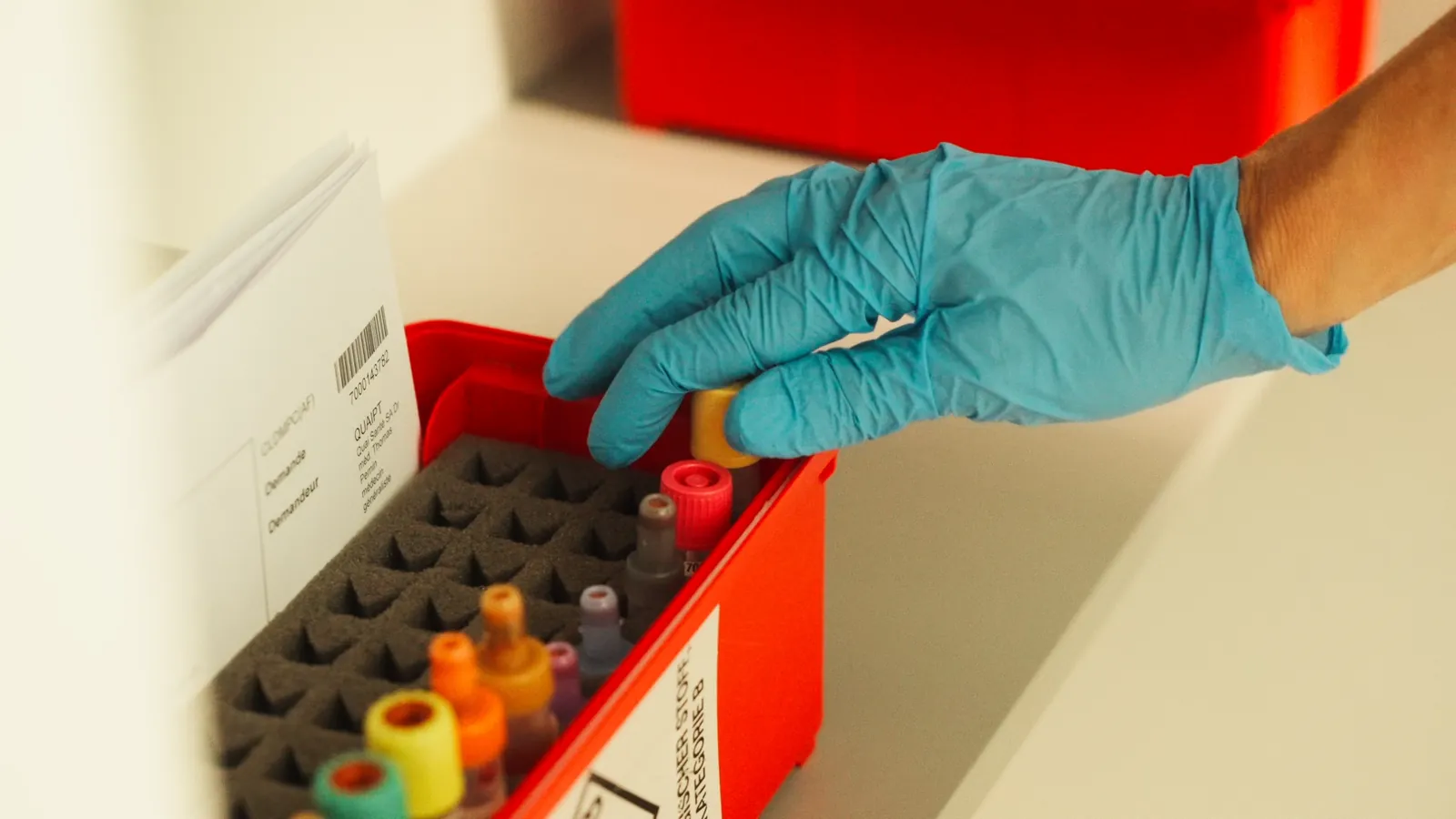
A genetics consultation can be helpful when several members of the same family have developed the same disease, particularly at a young age, when a hereditary disease is known to run in the family, when you are planning a pregnancy and have specific concerns, or when a doctor suspects a genetic cause for unexplained symptoms.
It all starts with an in-depth conversation: your medical history, your family's, your questions. The doctor builds up your family medical history (pedigree) and assesses whether genetic testing is appropriate. If it is, they explain its scope, its limits and its implications before any sample is taken, generally a simple blood test. Nothing is done without your informed consent: this is a fundamental principle of the discipline.
A genetic result is not a verdict: it is information, which makes it possible to adapt prevention, screening or follow-up, for you and sometimes for your relatives. And a reassuring result has value too: it lifts a worry that has sometimes been weighing on you for years.
Quai Santé's genetics consultation combines internal medicine and medical genetics: a dual expertise that links your own medical history, your symptoms and your family's genetic heritage within a single course of care.
A family history that raises questions? Let's talk about it.
This information is general and does not replace a medical consultation. In a life-threatening emergency, call 144. Medical disclaimer
“You need surgery.” Three words that often raise more questions than the illness itself. Where? When? What happens? Here is the pathway for planned surgery, step by step.
Receiving a medical bill and not knowing what you'll actually pay: the experience is almost universal in Switzerland. Here is how cost-sharing works, with the amounts in force in 2026.
A new resolution, a new challenge, the urge to get going again: getting back into sport is always excellent news. The injuries of the first few weeks, much less so. A few simple precautions let you come back for the long term, not just at full tilt.