
Adolescent health: a branch of medicine in its own right
Too old for the paediatrician, not quite in the adult world: teenagers occupy a medical in-between where many slip through the net. Adolescent medicine exists precisely for them.
Osteoporosis lives up to its nickname of the silent disease: the loss of bone density causes no symptoms, until the day a minor knock, sometimes a simple fall from standing height, causes a fracture. The good news: it can be detected, and it can be managed.
Content validated by Dr Cécile Besson Duvanel, Medical Director
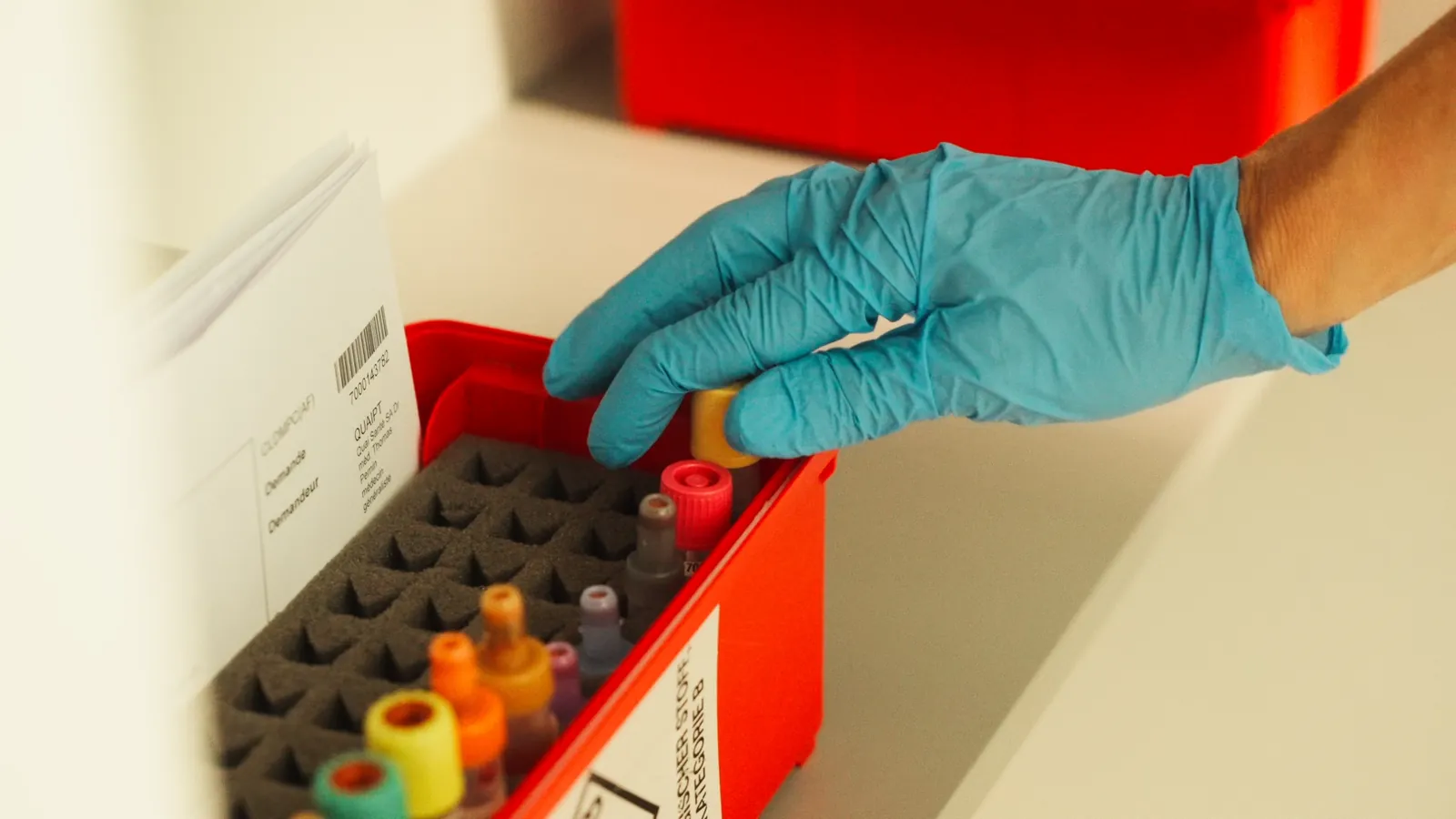
Women after the menopause are the most at risk, as the drop in oestrogen speeds up bone loss. But osteoporosis also affects men, particularly after the age of 70, and certain situations increase the risk at any age: family history, a previous fracture after the age of 50, certain long-term treatments, smoking, low body weight.
The standard test is a bone density scan (densitometry), a quick and painless imaging test that measures the mineral density of your bones. Your doctor assesses with you whether and when this test is indicated, depending on your age and your risk factors. A fracture that occurs after a minor injury is, in itself, a signal that always warrants an assessment.
Bone strength needs looking after: regular weight-bearing physical activity (walking, stairs, strength training), adequate calcium and vitamin D intake discussed with your doctor, stopping smoking, and fall prevention at home beyond a certain age. When treatment is necessary, effective options now exist, with long-term follow-up.
Osteoporosis and the health of older people are among Quai Santé's founding areas of expertise: our medical director, Dr Cécile Besson Duvanel, devotes her geriatric medicine practice to them. Screening, assessment and follow-up are organised at Montreux station, with the laboratory on site.
Over 60, or a recent fracture that's left you wondering? Let's talk prevention.
This information is general and does not replace a medical consultation. In a life-threatening emergency, call 144. Medical disclaimer
Too old for the paediatrician, not quite in the adult world: teenagers occupy a medical in-between where many slip through the net. Adolescent medicine exists precisely for them.

We see a doctor when something is wrong. But when everything is fine? A regular check-up remains the simplest and most effective act of prevention: it detects early what is easily treated early. Here are the useful guidelines, and what really happens during a check-up.
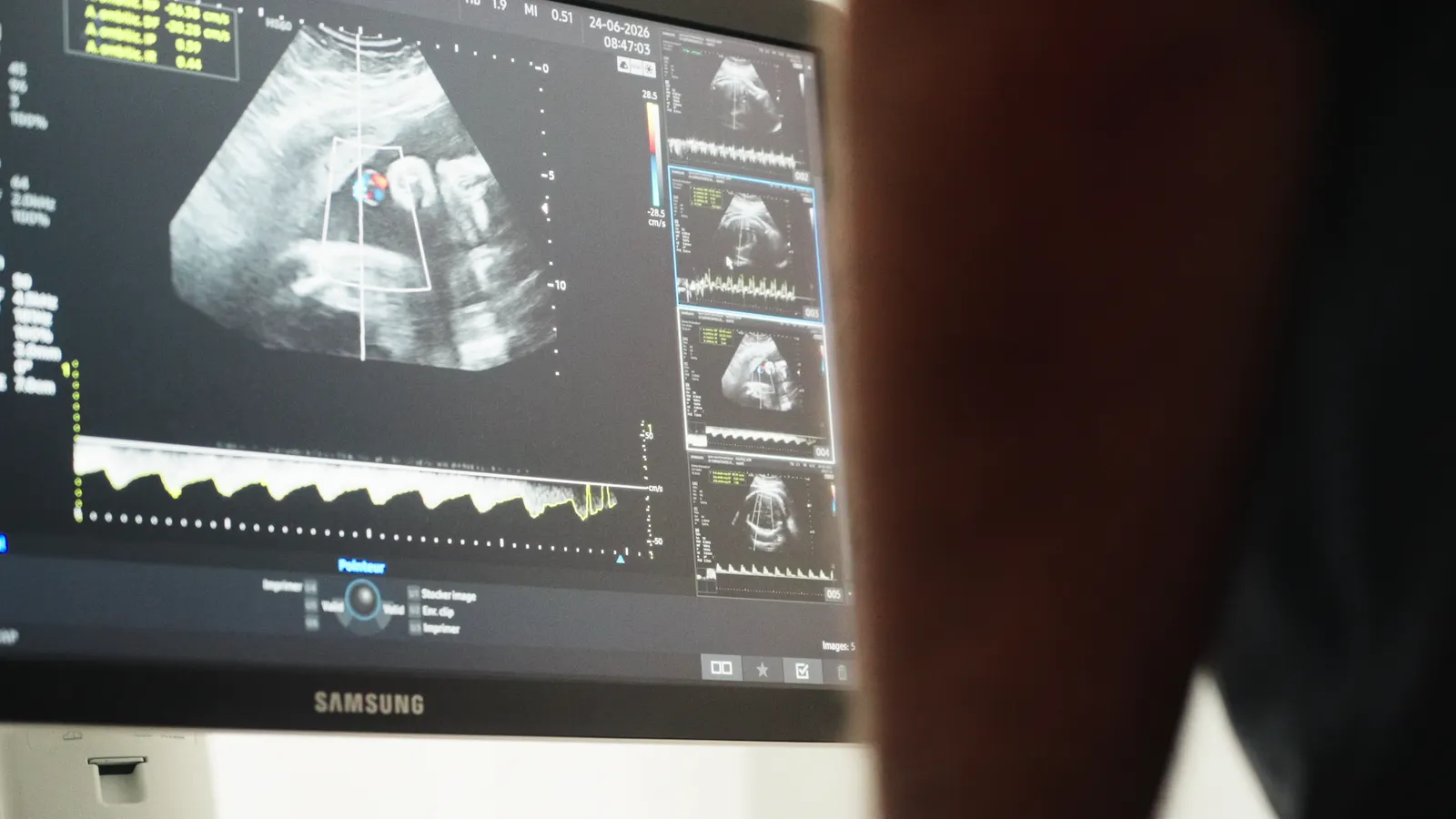
Gynaecological check-ups are one of those appointments that are easy to put off when everything is fine. Yet it's precisely when everything is fine that they are most useful: with most gynaecological problems, the earlier they are detected, the simpler they are to treat.